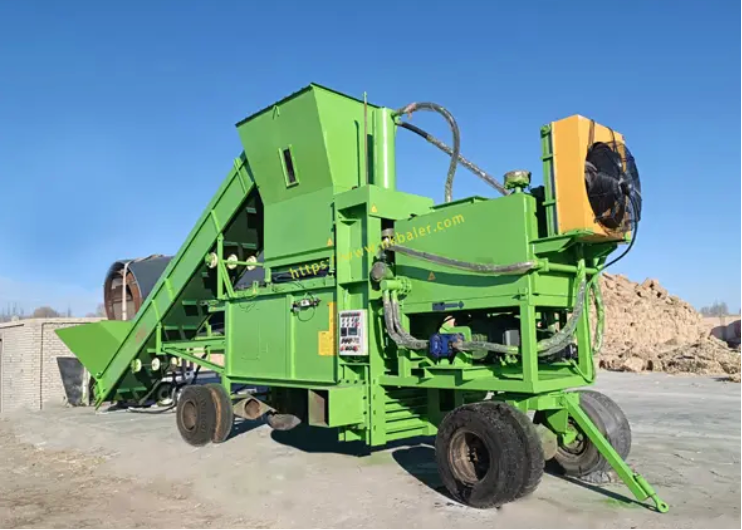
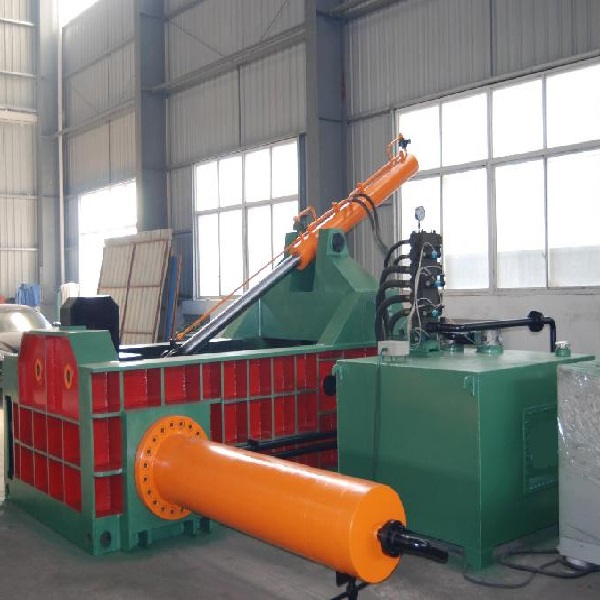
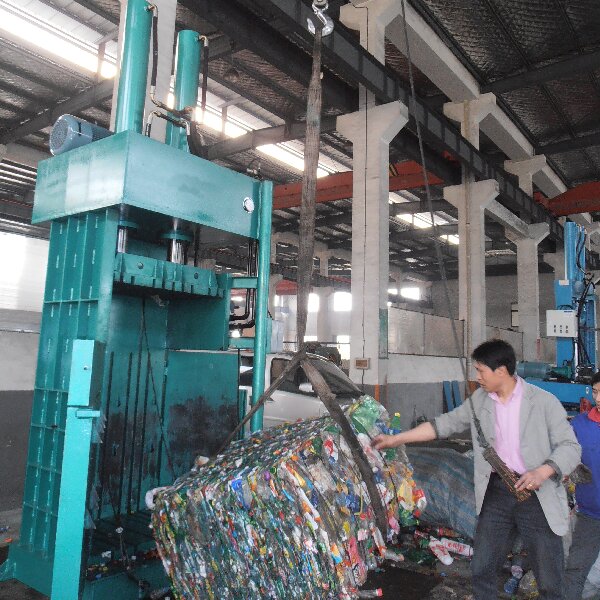
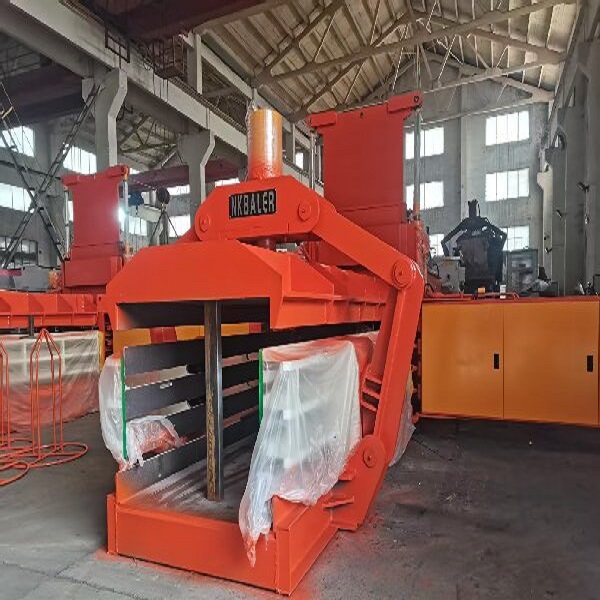
In recent years, with the advancement of agricultural waste resource utilization, rice husk bagging machines have gradually become a focus ofattention for grain processing enterprises and environmental entrepreneurs. One of the most pressing questions for many potential customers is: how long does it take to recoup the investment in such equipment?
Rice husk bagging machine is a specialized piece of equipment that automatically weighs, bags, and seals rice husks. Its core function is to automate rice husk packaging, significantly improving production efficiency. Traditional rice husk packaging typically relies on manual labor, which is not only slow and labor-intensive but also prone to dust pollution and inaccurate measurement. The rice husk bagging machine, through advanced sensing technology and mechanical structure, can precisely control the weight of each bag, ensuring packaging consistency and sealing. Its working principle mainly includes four stages: conveying, weighing, bagging, and sealing. The rice husks enter the weighing system via a conveyor belt. Once the preset weight is reached, the bagging mechanism is automatically triggered, accurately placing the bag into the discharge port, followed by heat sealing or sewing.
From a price perspective, the investment cost of a rice husk bagging machine varies depending on the model, level of automation, and production capacity. Generally, semi-automatic models are relatively inexpensive and suitable for small and medium-sized enterprises; fully automatic models are more expensive but significantly reduce labor requirements. When assessing the payback period, customers need to consider factors such as equipment price, daily packaging volume, labor cost savings, packaging bag savings, and the premium for rice husk sales. For example, if a machine can process tens of tons of rice husks daily, replacing multiple workers, then recovering the cost within a few months to a year is entirely possible. Furthermore, some regions offer subsidies for agricultural waste disposal, which may further shorten the payback period.
Overall, rice husk bagging machines not only improve packaging efficiency but also enhance product added value through standardized packaging. For businesses with stable operations, the investment payback period is usually within a reasonable range, with substantial long-term returns.
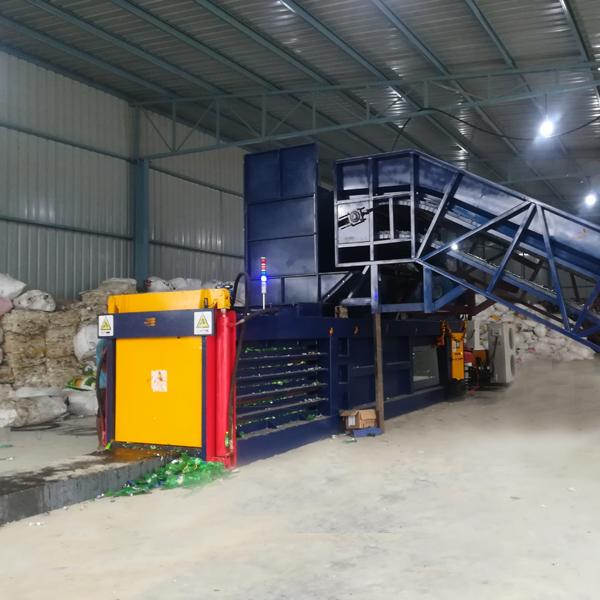
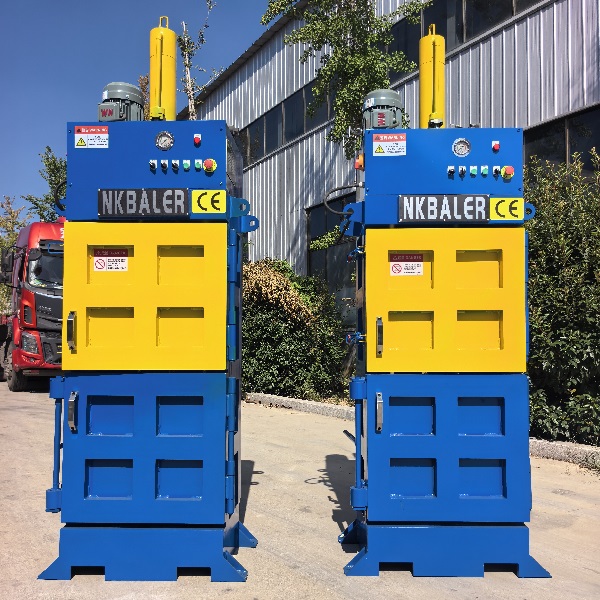
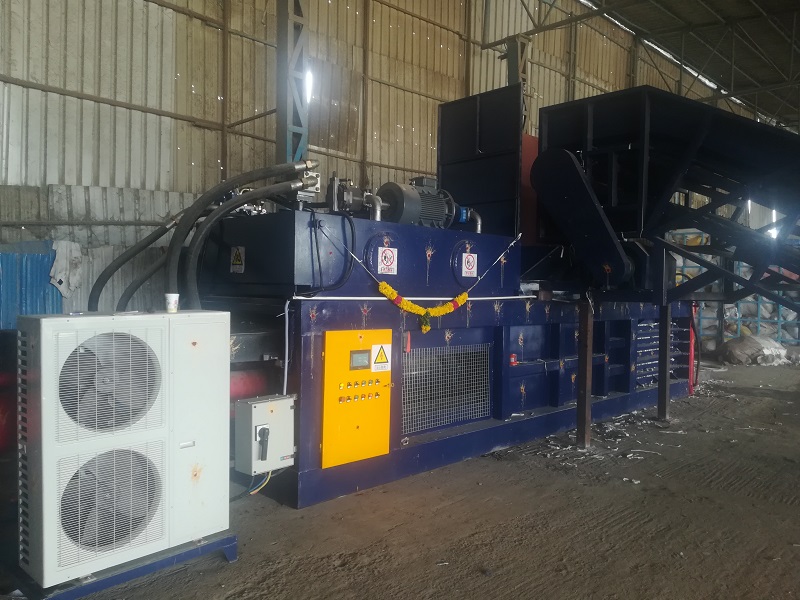
Nick Baler’s bagging machines offer a high-efficiency solution for compressing, bagging, and sealing lightweight, loose materials, including agricultural waste, sawdust, wood shavings, textiles, fibers, wipers, and biomass waste. By converting loose materials into compact, easy-to-handle bags, these machines ensure efficient storage, improved cleanliness, and minimized material loss.
www.nkbalers.com
Email:Sales@nkbaler.com
WhatsApp:+86 15021631102