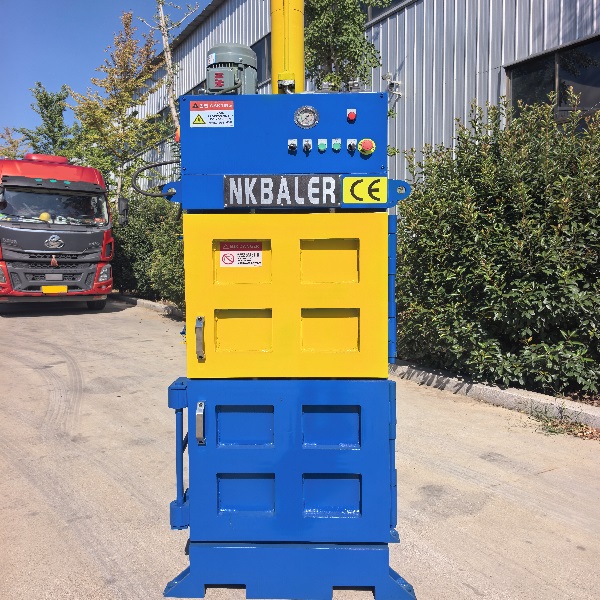
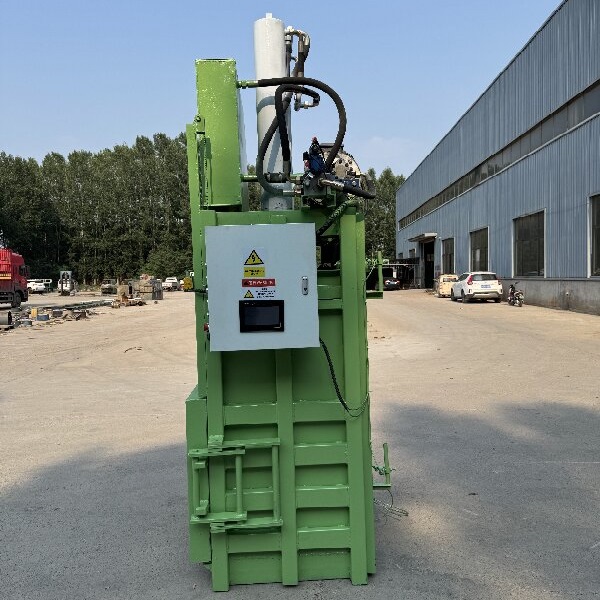
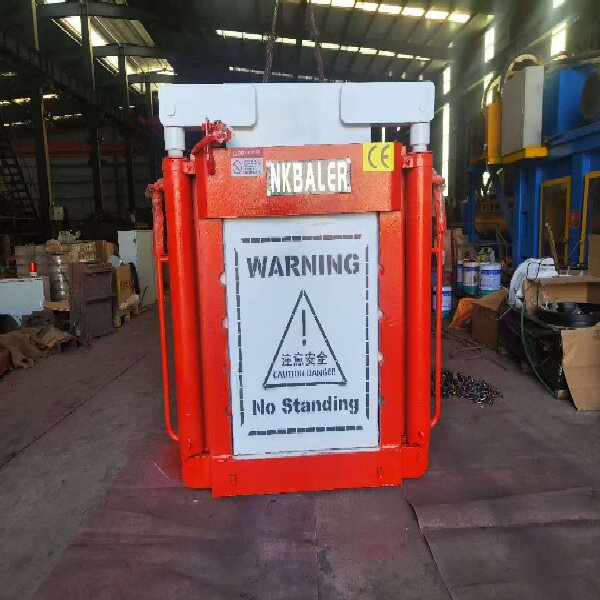
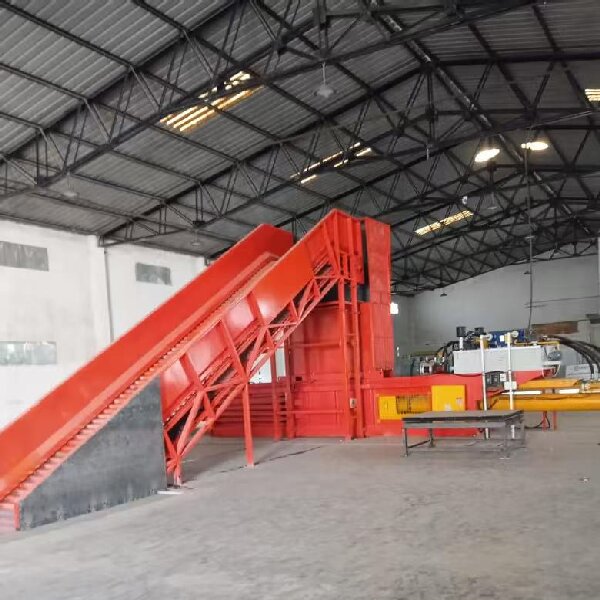
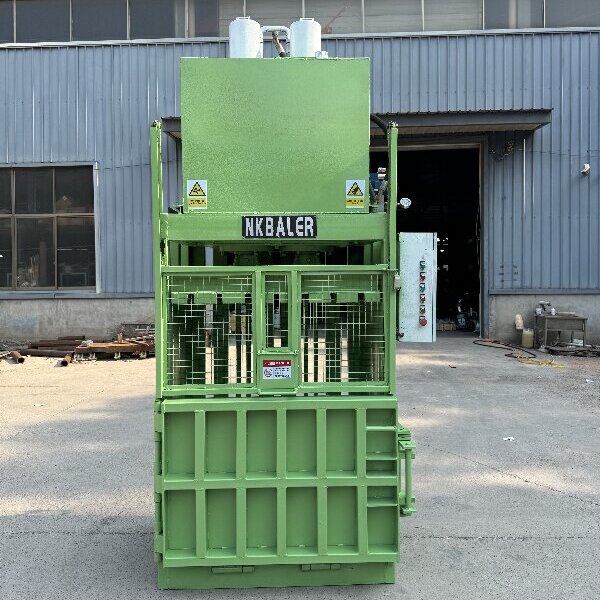
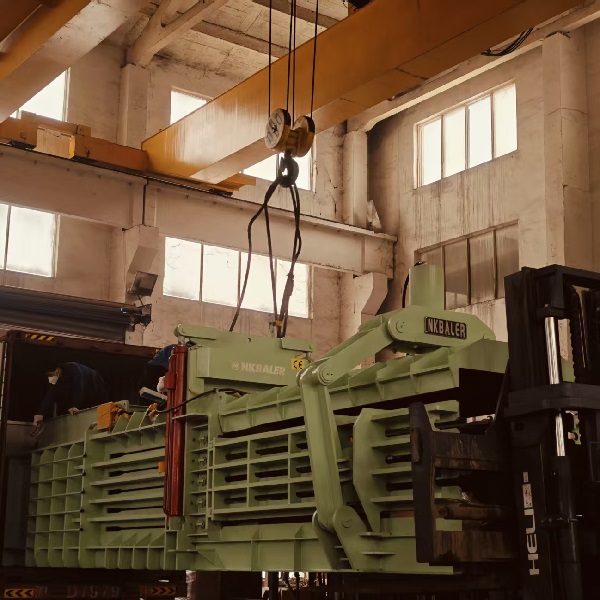
On-site operators who master baler troubleshooting skills can greatly reduce waiting time during shutdowns. Meanwhile, the baler electric control system shows alarm codes for abnormal states. Pressure, oil temperature and limit sensor faults all trigger unique codes. Staff can resolve many simple issues without waiting for remote engineer support.
Besides, understanding alarm codes forms the starting point of baler troubleshooting. Pressure alarms usually come from low oil level or clogged filters. High-temperature alarms relate to poor heat dissipation. Limit alarms often appear when sensors shift or materials jam the chamber. Teams check items from simple to complex and find root causes step by step.
As a result, teams follow this baler troubleshooting workflow to clear most regular alarms quickly. They reduce idle waiting time for after-sales support and restart the machine fast. This keeps the waste baling line running steadily and limits disruption to production schedules.
Furthermore, most baler alarms do not result from hardware damage during daily operation. Most warning signals come from irregular operation, incorrect material feeding or neglected maintenance. Building a standardized alarm record system helps operators log fault codes, symptoms and solutions in real time. Long-term data accumulation allows teams to identify frequent problems in advance. Targeted maintenance effectively reduces repeated alarms and intermittent shutdowns, delivering more stable and continuous baler performance.
Nick focuses on solid waste baling equipment. We supply complete baling machines, maintenance support and spare parts for recycling enterprises worldwide, helping clients keep waste compression operations stable and efficient.
https://www.nkbalers.com
Email:Sales@nkbaler.com
WhatsApp:+86 15021631102