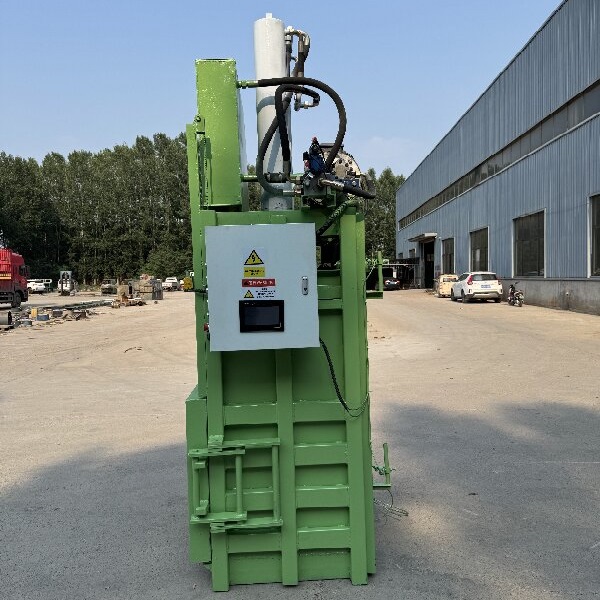
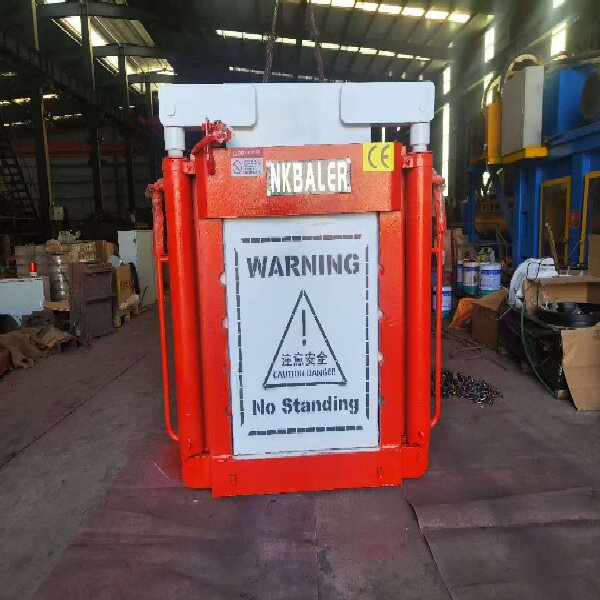
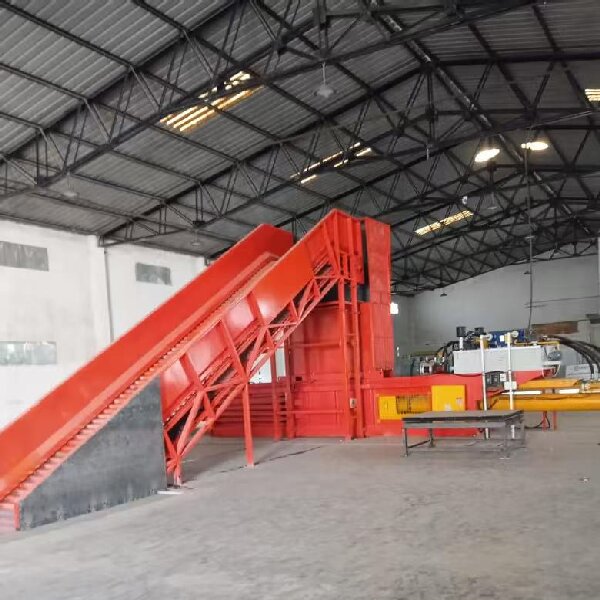
The global textile recycling market expands rapidly as fashion brands speed up sustainable transformation. More waste textile sorting and recycling bases are built worldwide. Used clothes, leftover fabrics and textile scraps are collected, sorted and processed for recycled fiber production. This fast-growing segment creates new market opportunities for used clothing balers, and the hydraulic baler is the core machine in this workflow.
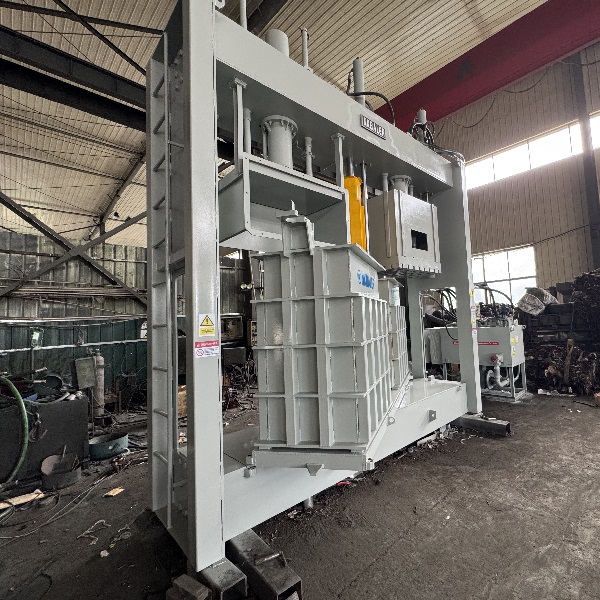
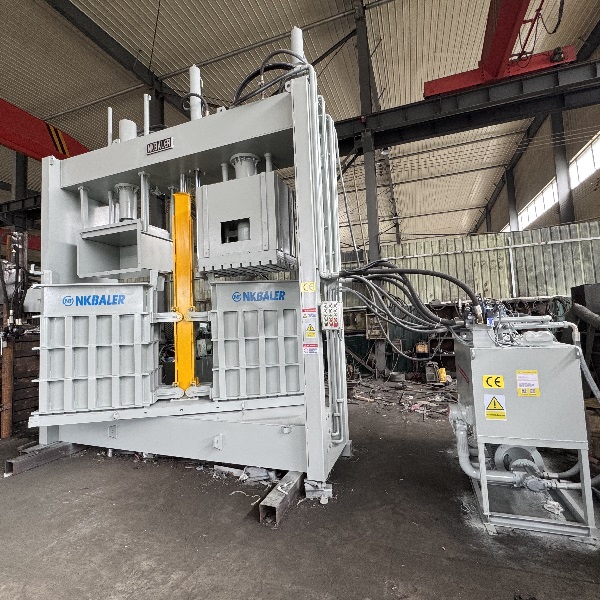
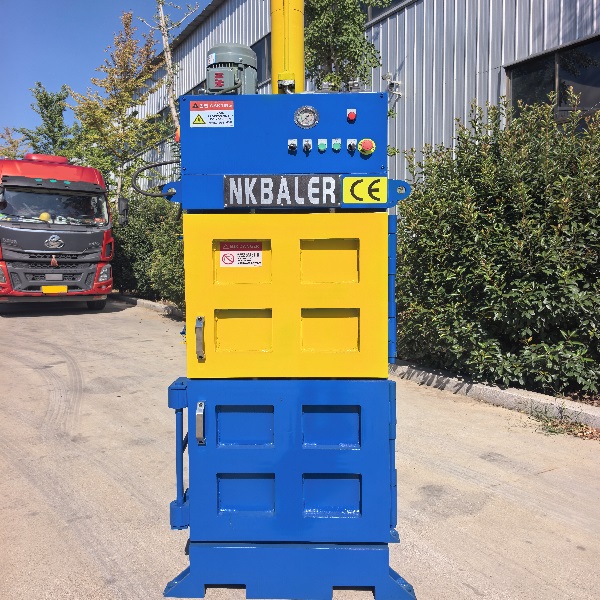
Moreover,textile materials are soft and bulky. Piles of used clothes occupy massive storage space. Without compression, the cost to ship textile waste is extremely high. A professional hydraulic baler specially designed for textiles can compress fluffy old garments into neat heavy bales. The compact bales simplify storage and long-distance shipment for textile recyclers.
Furthermore,different textile waste requires customized baler structures. Some materials contain elastic fabrics, which need enhanced compression cylinders. As a result,the hydraulic baler can be equipped with anti-wear plates and wide feeding openings to handle mixed textiles. Many recycling plants prefer semi-automatic or fully automatic hydraulic balers for continuous textile feeding.
In the future, textile recycling capacity will keep rising across Asia, Europe and North America. Overall,more waste textile recovery projects will launch. Demand for reliable hydraulic balers for old clothes will continue to grow. Equipment manufacturers need to optimize baler designs to adapt to textile features and support the sustainable textile industry.
Moreover,nick hydraulic balers deliver stable compression performance, energy‑saving operation and robust structural design. With rich experience serving global recycling projects, Nick provides reliable baling equipment and complete technical support for waste treatment enterprises across different regions.
https://www.nkbalers.com
Email:Sales@nkbaler.com
WhatsApp:+86 15021631102