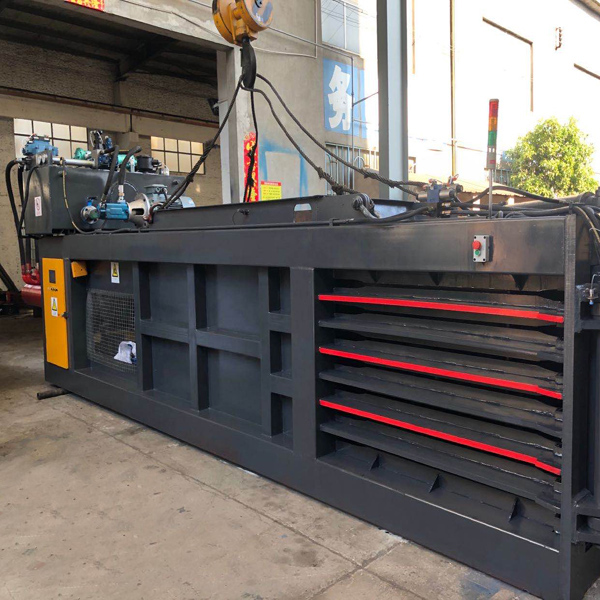
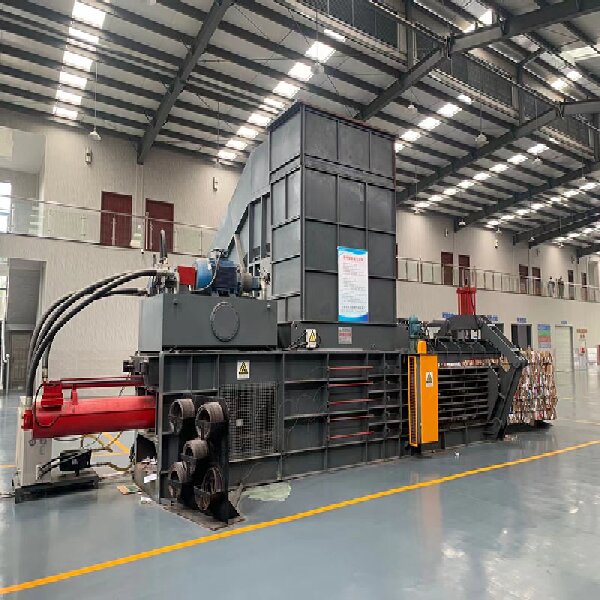
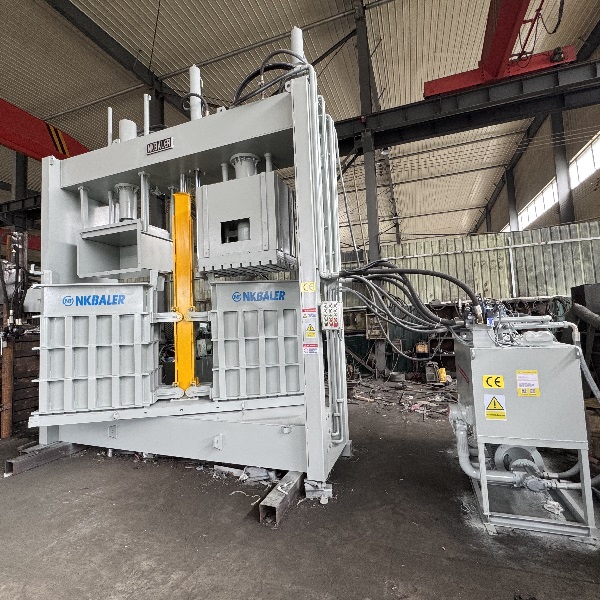
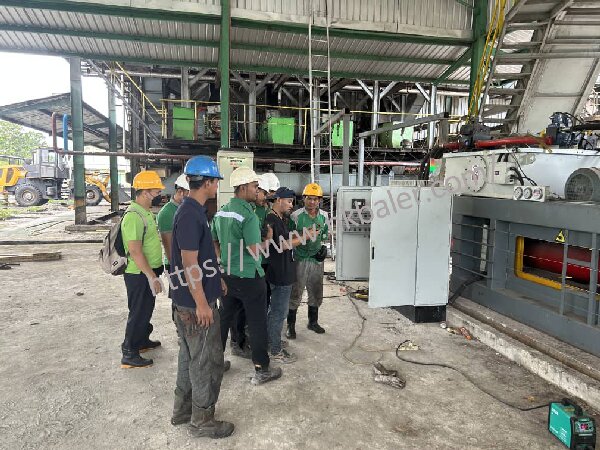
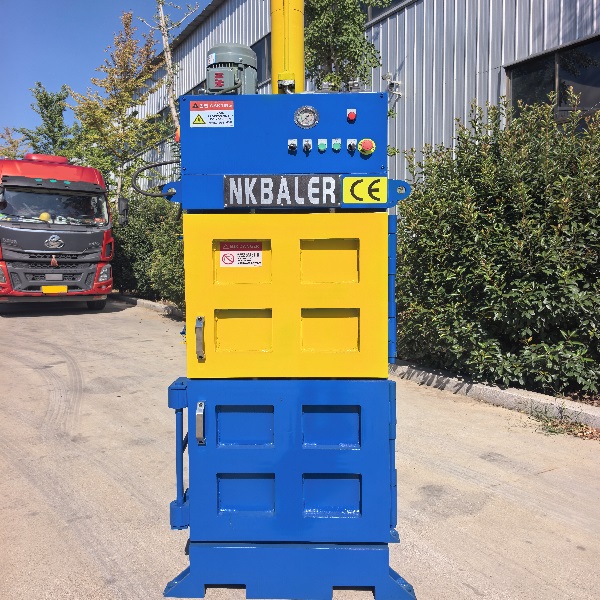
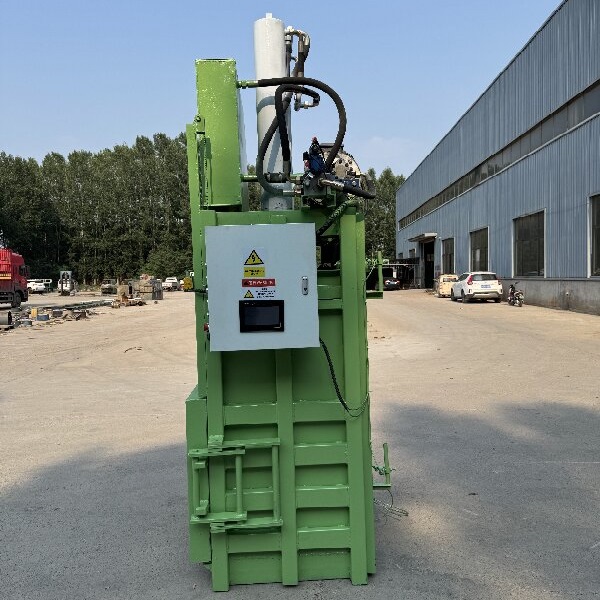
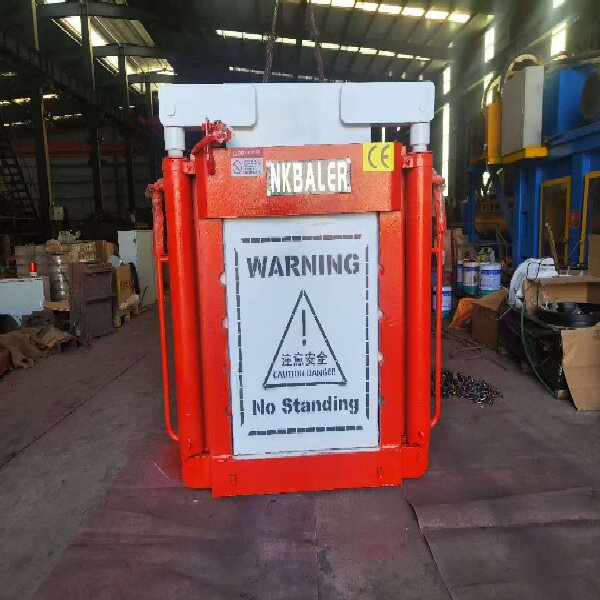
After EU updated machinery CE standards, market‑access thresholds for industrial balers get stricter. Exporters must track regulatory changes. An EU baler shall meet latest safety, electrical and mechanical‑protection requirements for customs clearance.
Documentation for older models no longer fits current rules. Shipment may get held at port without proper upgrade. When supplying an EU baler, manufacturers shall finish relevant assessment and refresh technical files, manuals and machine marking to make all components compliant.
Buyers also need to pay close attention. While confirming orders for an EU baler, verify full compliance documents in advance to prevent port inspection delays and project schedule loss.
Meanwhile, the updated EU CE standard raises stricter inspection requirements on mechanical safety, electrical protection and hydraulic safety structures. Traditional baler models that only meet basic regulations can no longer pass European customs inspection, which may cause detention and order return. Exporters must upgrade machine structures, safety guards and electrical systems in advance to make every EU baler fully compliant.
Besides, pre-standard upgrading is essential for long-term overseas trade stability. Timely certification renewal and structural optimization help exporters avoid export risks and shorten customs clearance time. Fully qualified EU baler products greatly improve market competitiveness and meet local clients’ strict requirements for safe, durable and legally compliant recycling equipment.
Nick keeps updating product documentation according to latest CE requirements. Our baling equipment can meet current EU regulatory demands for waste recycling end‑users.
https://www.nkbalers.com
Email:Sales@nkbaler.com
WhatsApp:+86 15021631102