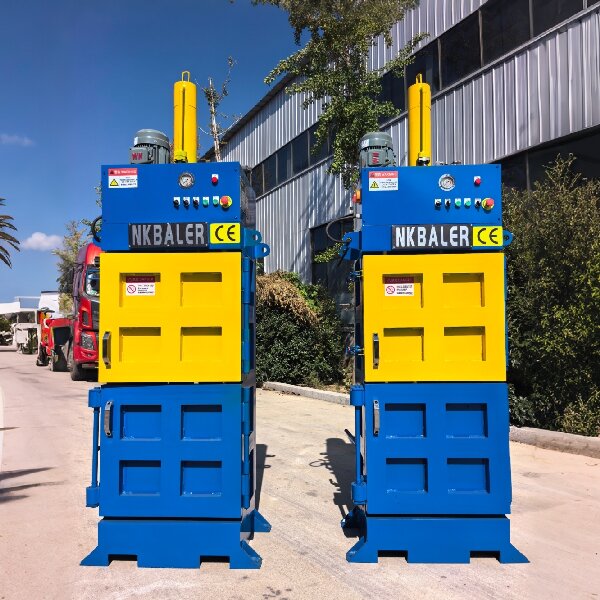
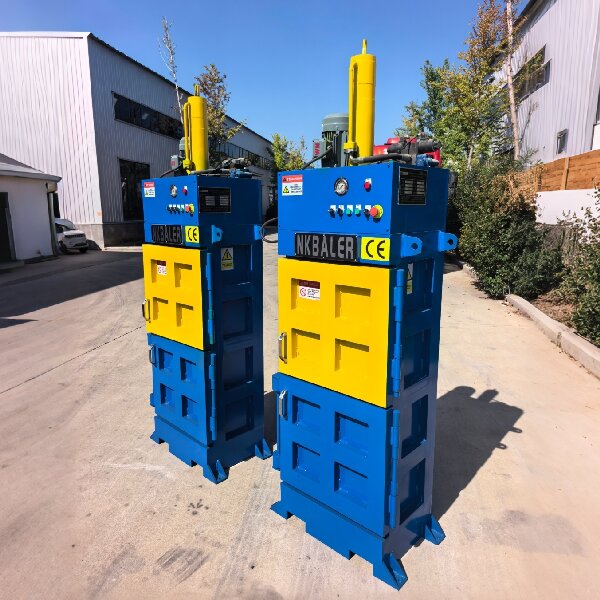
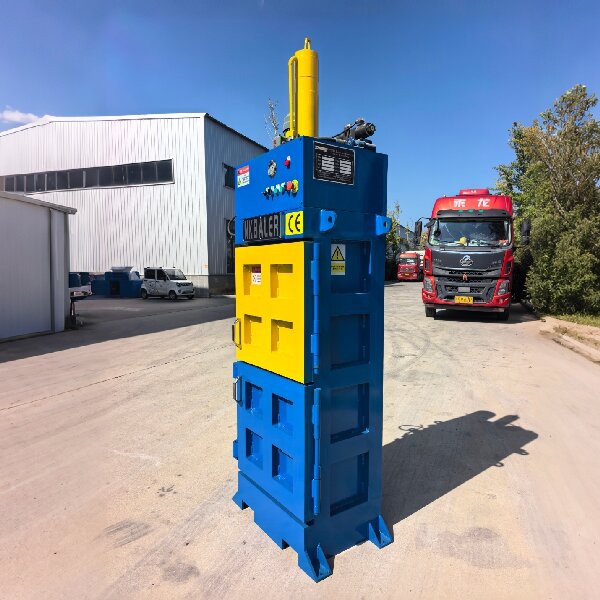
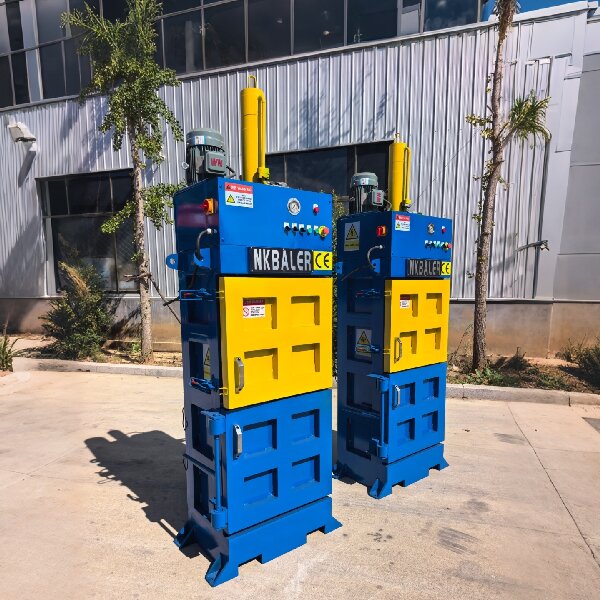
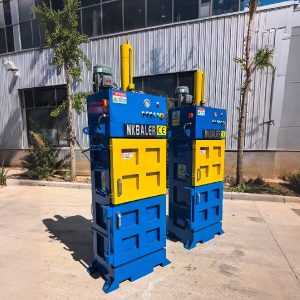
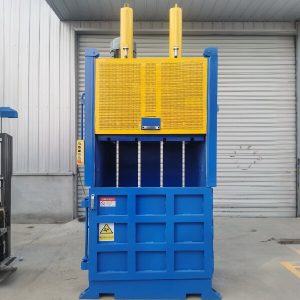
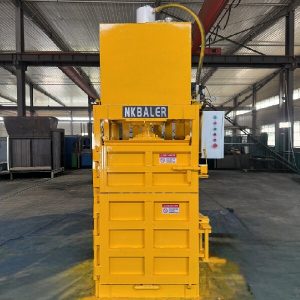
Trash Presser is a mechanical device used to compress loose trash and waste materials into smaller, denser, and more manageable forms. By applying strong compression force, it reduces the volume of waste, making storage, transportation, disposal, and recycling more efficient. Trash pressers are widely used in industrial facilities, commercial buildings, warehouses, manufacturing plants, recycling centers, logistics parks, and large-scale waste management operations where high volumes of waste are generated on a daily basis.
Loose trash often occupies excessive space, creates handling difficulties, and increases transportation costs. Materials such as packaging waste, plastic film, cardboard, general industrial waste, and mixed recyclables can quickly fill containers and storage areas if left uncompressed. A trash presser solves this problem by compacting scattered waste into dense blocks or bales. This not only saves valuable floor space but also reduces the frequency of waste collection and hauling, helping businesses lower disposal expenses and improve site cleanliness.
Different types of trash pressers can be designed to handle various waste streams. Some models are suitable for dry recyclable materials such as cardboard, plastic, and paper, while others can be applied to mixed solid waste in industrial or commercial environments. By converting irregular and bulky trash into compact units, the machine helps streamline waste management workflows and supports more organized material handling.
In recycling applications, compressed waste is easier to sort, store, and transport to downstream processing facilities. Uniformly compacted materials also improve loading efficiency and help maximize container utilization. For businesses focused on cost control and environmental compliance, a trash presser can play an important role in reducing waste volume, improving operational efficiency, and supporting sustainable waste management practices.
Overall, a trash presser is a practical and efficient solution for compressing and compacting trash into smaller, more manageable forms. Whether used for disposal, storage, or recycling, it helps businesses reduce waste volume, lower handling costs, maintain cleaner workspaces, and achieve more efficient waste management across industrial and commercial operations.