In the PET plastic bottle recycling industry, the “spring-back” effect—where bales expand or fall apart after being compressed—has long been a persistent pain point. Due to the high elasticity of plastic bottles, bales compressed by standard balers often expand rapidly, resulting in low density. This leads to poor space utilization during container or truck loading, and by the time the material reaches downstream facilities, the bales may have come apart, complicating unloading and sorting—often resulting in weight-based penalties. Many operators have tried replacing their balers multiple times without success; the root cause is that the equipment lacks structural optimizations specifically designed to counter the elasticity of plastic.
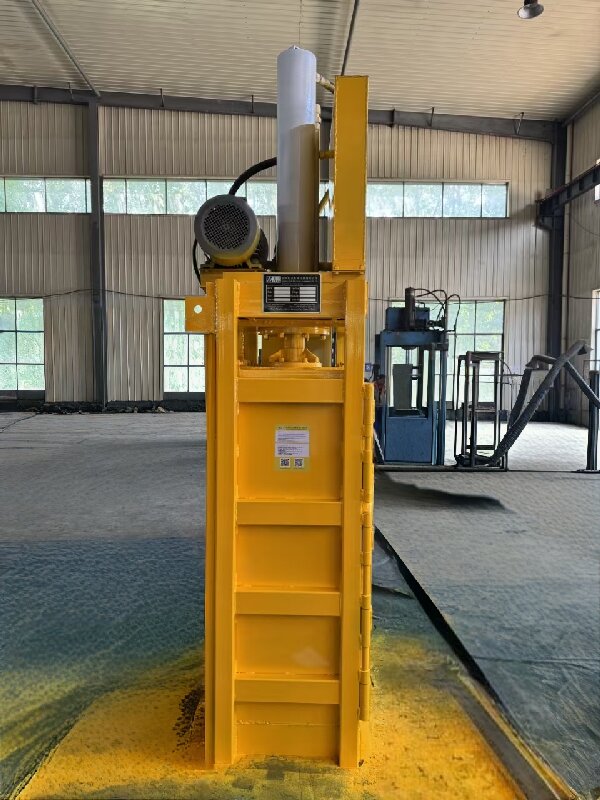
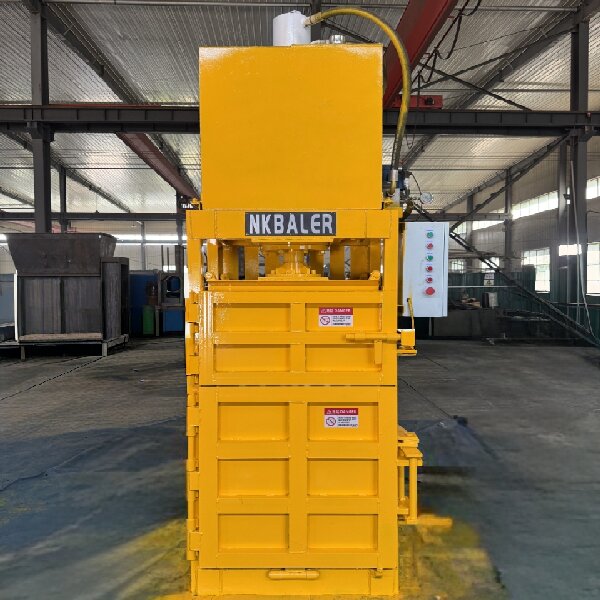
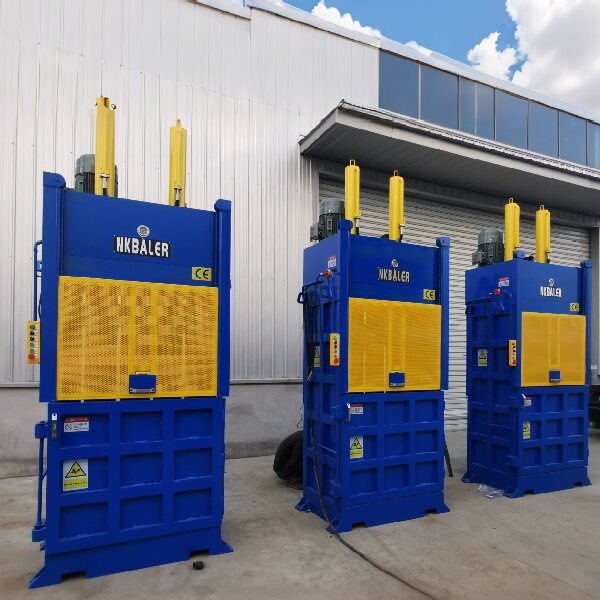
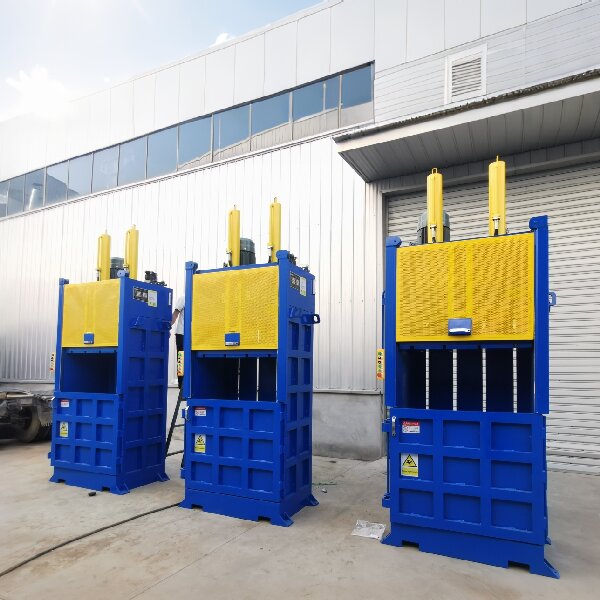
NKBALER’s plastic bottle balers feature targeted optimizations in the feed hopper, compression platen, and locking mechanism. Equipped with anti-expansion designs, these machines ensure stable locking post-compression, producing dense, compact bales with minimal spring-back. The resulting bales are uniform and stack securely, making them ideal for both domestic transport and international containerized shipping. The hydraulic system is reinforced with enhanced sealing to withstand the presence of residual liquid and debris, effectively reducing oil leakage issues. Our vertical models offer a compact footprint, perfect for small-to-medium-sized recycling facilities, while semi-automatic versions support continuous feeding for higher throughput.
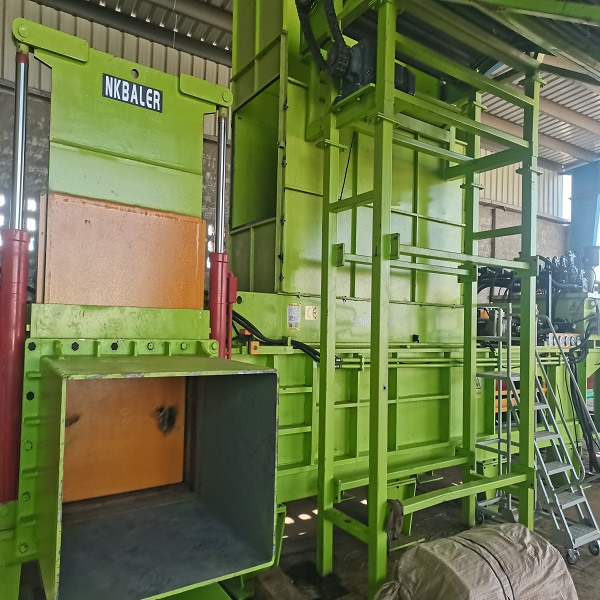
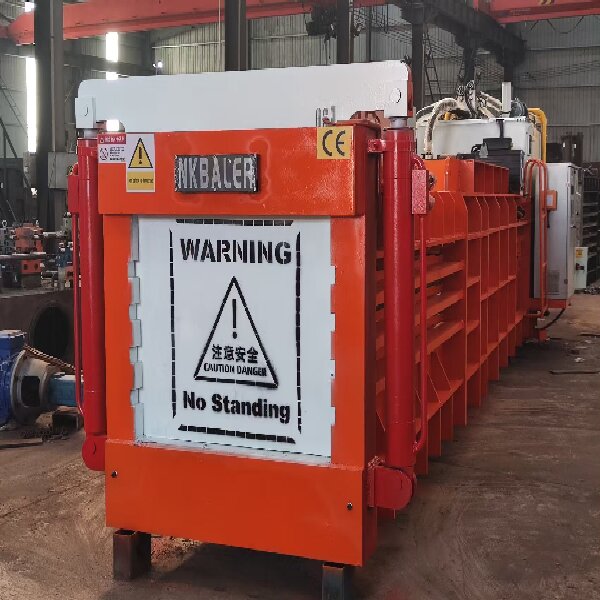
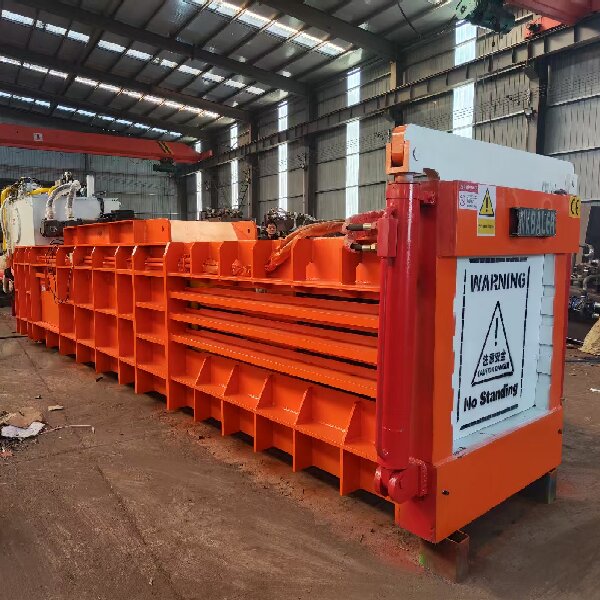
With a proven track record, NKBALER has successfully deployed numerous plastic bottle baling solutions across China, Southeast Asia, the Middle East, and Latin America. Our engineers possess deep expertise in handling the specific material characteristics encountered in different regions. For operations requiring high capacity and fully automated strapping, we offer large-scale horizontal balers—an ideal choice for high-volume plastic waste sorting centers.
Given the already slim profit margins in plastic recycling, the cumulative losses from increased freight costs and weight-based penalties due to bale expansion cannot be ignored. When selecting a plastic bottle baler, prioritize models engineered to handle elastic materials. NKBALER can provide a tailored baling solution based on the specific nature of your PET bottle feedstock.
https://www.nkbalers.com
Email:Sales@nkbaler.com
WhatsApp:+86 15021631102